Game Introduction
Game Introduction
Overview
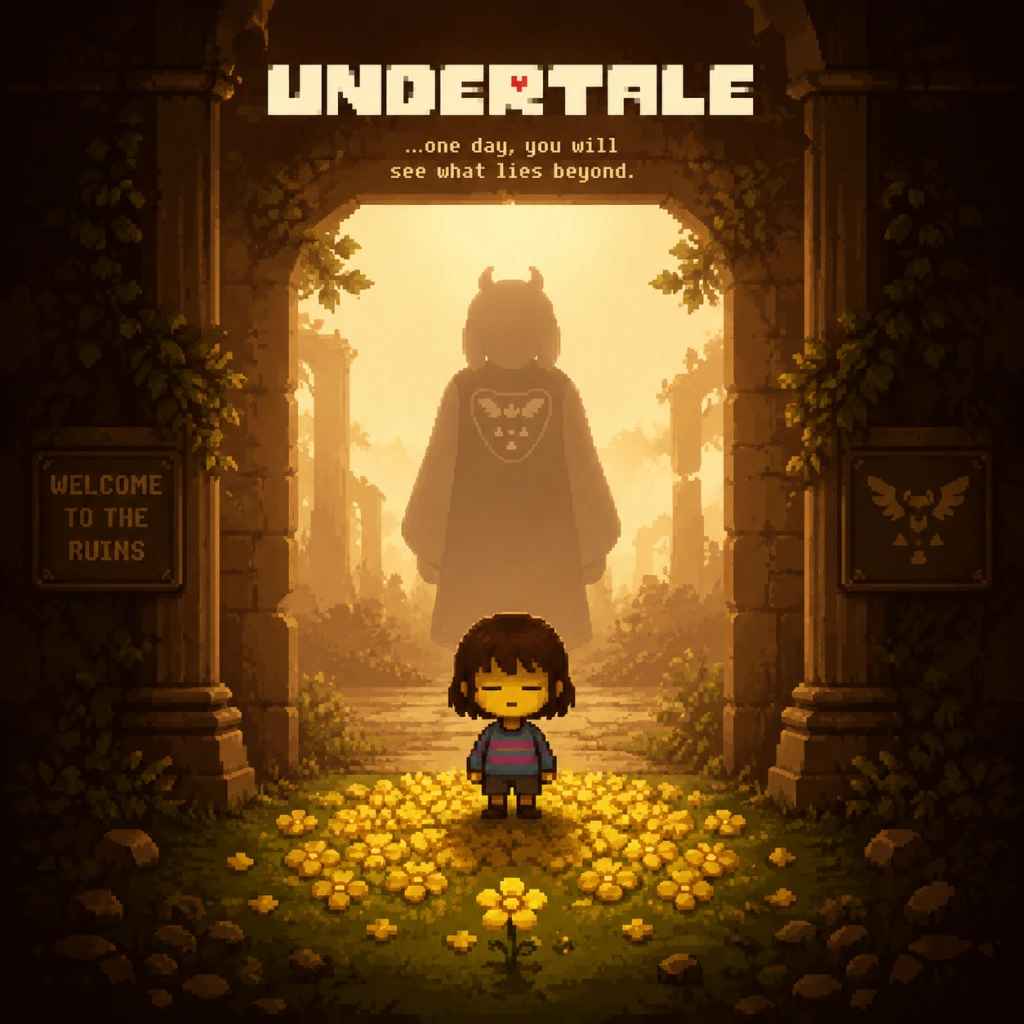
Undertale is a critically acclaimed role-playing game (RPG) developed and published by indie creator Toby Fox. Released on September 15, 2015, for Windows, it quickly became a landmark title in the indie gaming scene, known for its innovative mechanics, deep narrative, and emotional impact. It challenges traditional RPG conventions by emphasizing player choice and consequence, where every action permanently alters the world and story.
Genre, Developer & Publisher
- Genre: RPG, Bullet-Hell, Adventure, Puzzle, Comedy-Drama
- Developer & Publisher: Toby Fox (self-published)
Release Timeline & Platforms
| Platform | Release Date |
|---|---|
| Microsoft Windows | September 15, 2015 |
| macOS, Linux | July 17, 2016 (via Humble Bundle) |
| PlayStation 4, PlayStation Vita | August 15, 2017 |
| Nintendo Switch | October 18, 2018 |
| Xbox One, Xbox Series X\ | S |
| Android, iOS | September 16, 2018 (Japan), later worldwide |
Story Overview
Long ago, two races ruled the Earth: humans and monsters. After a devastating war, the humans sealed the monsters beneath the surface of Mount Ebott using a magical barrier. Centuries later, a human child (the player character, Frisk) falls into the Underground, a vast cavern world where monsters now live. To escape back to the surface, Frisk must traverse the Underground and confront its ruler, King Asgore, who holds the key to breaking the barrier. Along the way, the player meets a colorful cast of monsters, each with their own personalities, struggles, and desires. The story unfolds based on the player's choices: spare or kill every enemy. These choices lead to drastically different outcomes, including the infamous Pacifist, Neutral, and Genocide routes, each offering unique story revelations and endings.
Setting
The Underground is divided into several distinct regions:
- The Ruins: The first area, filled with puzzles and the tutelage of Toriel.
- Snowdin Town: A snowy village home to Sans, Papyrus, and friendly monsters.
- Waterfall: A cave system of glowing waters, echoes of the past, and the reclusive Undyne.
- Hotland & The CORE: A volcanic industrial zone and the high-tech central core.
- New Home & The Barrier: The final area, where Asgore resides and the barrier awaits.
- Frisk: The silent protagonist controlled by the player. Their appearance, gender, and name are customizable at the start.
- Flowey: A cheerful, sinister flower who teaches the player the basics of combat – but harbors dark intentions.
- Toriel: A motherly goat-like monster who protects the Ruins and offers the player a home.
- Sans: A lazy, pun-loving skeleton who keeps secrets and is far more powerful than he appears.
- Papyrus: Sans’s enthusiastic, honorbound brother who dreams of joining the Royal Guard.
- Undyne: The hot-headed leader of the Royal Guard, determined to capture humans.
- Alphys: A nervous, socially awkward scientist who runs the lab in Hotland.
- Mettaton: A flamboyant robot entertainer with his own TV show, seeking to capture the human.
- Asgore Dreemurr: The king of monsters, a tragic figure who reluctantly seeks the human’s soul to break the barrier.
- Chara: The first human to fall into the Underground, whose ghost lingers and influences events.
- Indie game enthusiasts who appreciate storytelling innovation.
- RPG fans seeking a fresh take on the genre without grinding.
- Players of all ages (though some themes of violence and redemption are mature).
- Speedrunners and secret hunters – the game has a dedicated community for breaking runs and discovering Easter eggs.
- Fans of bullet-hell and puzzle games – combat combines turn-based strategy with real-time dodge mechanics.
- Offline play: Full single-player experience, no internet required after installation.
- Online features: None. No multiplayer, no leaderboards, no DLC delivery.
- Cloud saves: Supported on Steam and some console platforms.
- The Mercy System: A truly non-violent path is not only possible but rewarded with the best ending.
- Meta-Narrative: The game is aware of saving, loading, and resetting. Characters remember your actions across playthroughs.
- No Grinding: Levels are earned through exploration and choices, not random battles. The game can be completed without fighting at all.
- Emotional Depth: Despite its cute pixel art, Undertale tackles themes of loss, determination, forgiveness, and redemption.
- Community & Fandom: The game spawned a massive fanbase, endless fan art, and theories. Its music, especially songs like “Megalovania,” became iconic.
- Replayability: The distinct routes mean each playthrough offers new dialogue, bosses, and endings. True understanding requires at least two playthroughs.
The world is rich with lore, discovered through environmental storytelling, dialogue, and hidden secrets. The soundtrack, composed entirely by Toby Fox, is iconic and deeply integrated into the emotional beats of the game.
Main Characters
Core Appeal
Undertale’s core appeal lies in its subversion of RPG tropes. It deconstructs the idea that combat is the only solution. The “Mercy” system allows players to talk, act, or spare enemies, often resolving conflicts through understanding and kindness. The game remembers everything – even after a reset – and characters comment on your past actions. This creates a deeply personal, meta-narrative experience. The humor is sharp, the emotional weight is heavy, and the multiple endings reward exploration and empathy.
Target Audience
Game Modes
Undertale is single-player only. There are three main story routes, each considered a ‘mode’ in narrative terms:
1. Pacifist Route – Spare every monster and befriend key characters. Ends with the true final boss and a heartwarming conclusion.
2. Neutral Route – A mix of kills and mercy. Multiple endings depend on who survives.
3. Genocide Route – Kill every monster in every area. Unlocks a horrifying ending and the hardest boss in the game.
There is no New Game+ in the traditional sense, but after completing any route, the player can reset. However, a true reset only occurs after wiping the game’s files or completing a specific condition.
Online/Offline Support
DLC/Expansion Overview
Undertale has no official DLC or expansions. Toby Fox has stated he considered the game complete upon release. However, there is a related game, Deltarune (Chapters 1 & 2), which is a separate title sharing thematic and narrative connections but is not DLC for Undertale. Undertale’s full experience is contained within the base game: all endings, secrets, and lore are accessible without additional purchases.
What Makes Undertale Unique?
In summary, Undertale is not just a game – it’s an experience that challenges what a game can be, making players question their morality while delivering an unforgettable story. Its compact length (roughly 6–10 hours per route) makes it easy to revisit, and its secrets reward the curious. Whether you choose to fight, flee, or befriend, the Underground will never forget you.