Important Notes
Important Notes
Warnings and Pitfalls
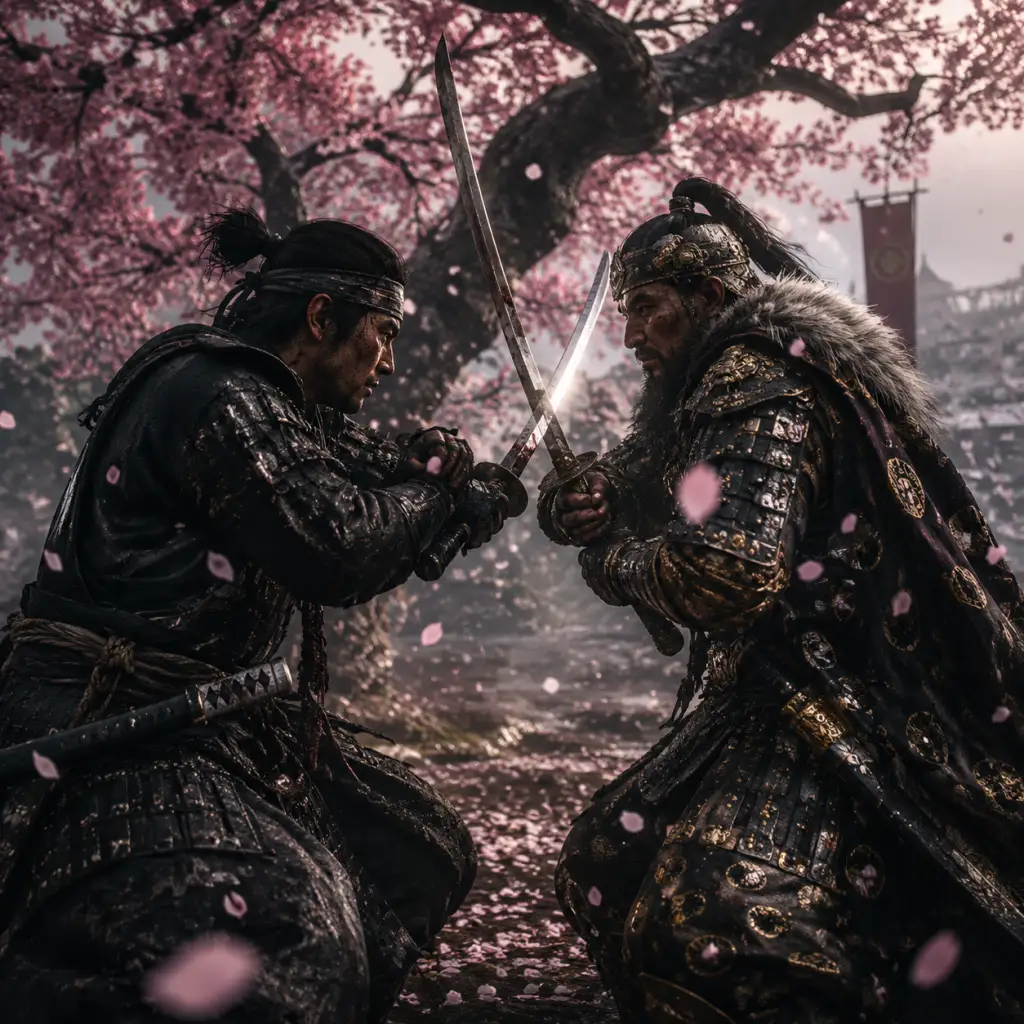
- Combat Difficulty Spikes: The game’s duels (e.g., Ryuzo, Khotun Khan) and certain Mongol leaders can be brutally hard on Hard or Lethal difficulty. Save often before major encounters. If stuck, lower difficulty temporarily via Options > Gameplay > Difficulty — no penalty for switching.
- Stealth vs. Honor Consequences: Ghost of Tsushima tracks your “honor” through the Tales of Tsushima side quests and story decisions, but there is no honor meter that locks content. However, some NPCs react to your use of “dishonorable” techniques (e.g., assassinations, poison). These reactions are purely cosmetic; no content is blocked.
- Open-World Fatigue: The sheer number of ? icons can overwhelm. Do not try to clear everything immediately. Focus on main story and key side quests (Tales of Tsushima) to unlock new stances and tools. Side activities like Haiku, Hot Springs, and Bamboo Strikes are optional but provide permanent stat boosts.
- Horse Permadeath: Your horse can die permanently in a late-story mission (Act II). You will receive a new horse, but the bond is lost. There is no way to revive the original horse. If you want to avoid this, you can’t — it’s scripted. Accept it and move on.
- Ending Choice: Near the game’s final mission (The Fate of Tsushima), you will face a crucial decision involving Lord Shimura. This choice determines which of two endings you get (Honor vs. Ghost). No post-game save revert — you must reload a manual save before the final mission if you want both endings. Always create a manual save at the black screen before entering the final confrontation (prompted: “Proceed? There is no turning back.”).
- Minor Story Choices: Some side quests (e.g., The Burden of Theft, A Mother’s Peace) have minor branching dialogue that affects NPC reactions or small rewards, but none lock out major content or trophies. You can still get 100% completion regardless.
- Collectibles Locked by Story Progress: A few collectibles (Sashimono Banners, Mongol Artifacts) become unobtainable after completing certain main missions because the area is no longer accessible (e.g., the ship at Komoda Beach). Check guides for each act to clear these before progressing.
- Side Quests Expire: Once you enter Act III, a handful of Tales of Tsushima become unavailable. These are marked with a special icon (yellow ? with a lock). Complete them before starting The Fate of Tsushima. The game warns you before the point of no return.
- Lute Players: In Act II, you can find musicians who teach you songs. If you miss them, you lose the associated trophy “Master of the Lute.” Track them via the map; they are missable if you finish the act.
- One-Time Dialogues: Some NPCs offer unique dialogue if you revisit them after major story events. Not missable for trophies, but for world immersion.
- Early Game Duels: The duel with Ryuzo in Act I can be a wall. Use delayed parries and avoid blocking heavy attacks. Molotovs and kunai do not work — only sword and dodge.
- Mongol Leaders with Shield: Heavily armored enemies require the Stone Stance (for swordsmen) or Water Stance (for shieldmen). Unlock these stances by completing Tales of Tsushima (e.g., Master of the Masamune).
- Lethal Difficulty: On Lethal mode, both you and enemies die in 1-2 hits. This can be frustrating if you’re not adept at parrying. Consider starting on Normal or Hard.
- Boss Fights in Act III: Khotun Khan’s final battle has quick-time events and heavy damage. Equip the Sakai Clan Armor for high defense.
- Resource Hoarding: You do not need to grind predator hides, bamboo, or supplies excessively. Upgrading all equipment to max is possible through natural exploration. Focus on merchants who sell supplies — you can buy most upgrade materials.
- “Ghost” Technique Upgrades: The Ghost skill tree (especially Chain Assassination) is powerful. Prioritize it early, but do not neglect the Samurai tree for parry windows and health. A balanced build is best.
- Flowers: Flowers of War are used for cosmetic dyes and charms. They respawn after time and are infinite. Do not spend hours collecting them — just pick as you travel.
- Legends Mode is a separate co-op multiplayer experience. It is not tied to the main game progression. Be respectful of teammates: don’t trigger objectives without communication, share healing drums, and revive downed allies.
- Raid Communication: The Raids require a party of 4 with voice chat. Use in-game ping or a microphone. Avoid going AFK without notice.
- No Anti-Cheat: Legends has no anti-cheat on console, but on PC, Valve Anti-Cheat (VAC) is integrated. Using mods or trainers in the main game is fine for single-player, but using cheats in Legends can result in bans.
- Manual Saves: You have 20 manual save slots. Use them liberally — before major missions, before duels, before point-of-no-return, and after unlocking key abilities. This allows you to revisit old sections or fix mistakes.
- Auto-Saves: The game auto-saves frequently, but auto-saves are overwritten. Do not rely solely on them for critical decisions.
- NG+ and Difficulty: New Game Plus carries over most gear but resets side quests. You can change difficulty at any time, even in NG+.
- Wind as Navigation: You don’t need to open the map constantly. Swipe up on the touchpad to make the wind guide you to the next objective. You can also mark custom waypoints.
- Samurai Clan Armor: This armor offers 10% resolve gain (per piece) and is excellent for duels. Upgrade it early.
- Hot Springs: Finding all hot springs permanently increases max health by 1 bar (base max 10, plus 5 from hot springs = 15). This is huge for survival.
- Bamboo Strikes: In addition to increasing resolve, they give you a permanent resolve upgrade (max 3 resolve bars after all bamboo strikes). Do them as soon as possible.
- Fast Travel: Unlocked after Act I. You can fast travel from anywhere to a cleared Mongol camp or major town. Also, fast travel to your horse if it’s far away.
- Mythic Tales: These unlock powerful techniques (e.g., Dance of Wrath, Heavenly Strike). Start the first Mythic Tale (The Legend of the Ghost Armor) early.
- Photo Mode is accessible from the pause menu — use it to capture stunning moments.
- Respec Charms: You can remove charms anytime for free from the Equipment menu. Experiment.
- Loot Respawns: Resources like iron, supplies, and bamboo respawn after a few in-game days (or after fast traveling away and back). Use this to farm if needed, but rarely necessary.
Irreversible Choices
Missable Content
Difficulty Spikes
Grinding Traps
Online Etiquette (Legends Mode)
Save Management
Things Players Commonly Regret Not Knowing
Conclusion
Knowing these pitfalls and secrets will smooth your journey through Tsushima. Save often, embrace the wind, and don’t stress about perfection — the Ghost is strongest when he adapts.