Game Introduction
Game Introduction
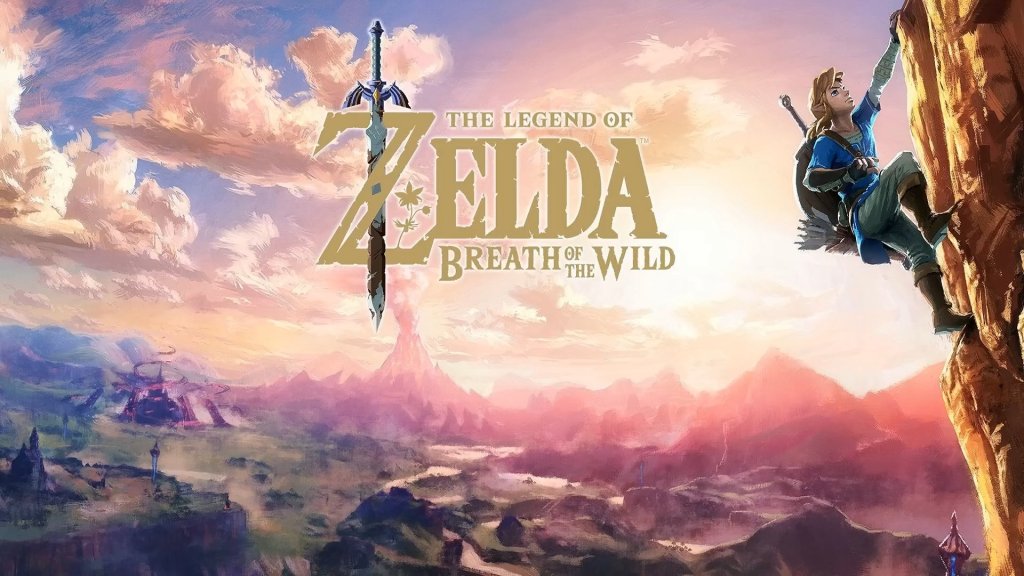
The Legend of Zelda: Breath of the Wild is an action-adventure game developed and published by Nintendo for the Nintendo Switch and Wii U. Released worldwide on March 3, 2017, it launched as a flagship title for the Nintendo Switch and as a final major release for the Wii U. The game redefines the classic Zelda formula with an open-world design, deep physics interactions, and a non-linear narrative, earning universal acclaim and numerous Game of the Year awards.
Genre & Core Appeal
- Genre: Action-adventure, open-world, survival, and puzzle-solving.
- Core Appeal: Unprecedented freedom to explore a vast, living Hyrule. Players can climb almost any surface, glide with a paraglider, cook meals, and solve environmental puzzles using real-world logic. The game emphasizes player agency: the main quest is optional, and the final boss can be faced immediately after the tutorial.
- Premise: The kingdom of Hyrule has fallen to the Calamity Ganon, a primal evil that re-emerges every 10,000 years. Link, the chosen hero, awakens from a 100-year slumber in the Shrine of Resurrection with no memory of his past. He must regain his strength, explore the ruined land, and defeat Ganon to restore peace.
- Narrative Style: Minimal cutscenes; story is revealed through exploration, memories recovered by visiting specific locations, and conversations with the few surviving characters. The narrative is fragmented, encouraging players to piece together the history of Hyrule and Link's personal story.
- Hyrule is a post-apocalyptic, open-world environment featuring diverse biomes: from the temperate Great Plateau and lush Hyrule Field to the fiery Death Mountain, frozen Hebra Mountains, arid Gerudo Desert, and the mysterious Lost Woods. The world is densely packed with secrets, shrines, towers, enemy camps, and wildlife. Dynamic weather (rain, thunderstorms, snow, sandstorms) affects gameplay, and day-night cycles influence enemy behavior and creature spawns.
- Link – The silent protagonist and Hero of the Wild. Equipment can be changed freely, and stats are tied to clothing and food rather than leveling.
- Princess Zelda – The wise and scholarly ruler who fought Ganon 100 years ago. Her story is unveiled through memories. A key figure in the plot, but not a playable character.
- Impa – Village elder in Kakariko Village, provides guidance and the main quest book.
- The Four Champions – Mipha (Zora), Daruk (Goron), Revali (Rito), and Urbosa (Gerudo) – each provides a unique ability after completing their respective Divine Beast quests.
- Ganon (Calamity Ganon) – The main antagonist, a monstrous manifestation of pure malice that has corrupted Hyrule. The final boss encounter is accessible at any time after leaving the Great Plateau.
- Single-Player Campaign: The primary mode. No multiplayer or co-op. The game is entirely offline.
- No New Game+: Once the final boss is defeated, a star appears on the save file and the player is returned to before the final battle, but no new content unlocks.
- The Legend of Zelda: Breath of the Wild – The Master Trials (DLC Pack 1): Adds Trial of the Sword (a survival challenge unlocking a permanent weapon upgrade), Master Mode (harder difficulty with regenerating enemy health and floating enemies), Hero’s Path Mode (a map overlay showing your traversal path), and more.
- The Legend of Zelda: Breath of the Wild – The Champions’ Ballad (DLC Pack 2): Adds a new story quest featuring the four Champions, a new dungeon (the Divine Beast of Wind?), the One-Hit Obliterator challenge, the Master Cycle Zero (a motorcycle), and additional cutscenes.
- Offline: The entire game can be played without an internet connection. All content is on the cartridge or digital download.
- Online: No mandatory online features. Optional internet connection is needed for downloading DLC, software updates, and registering gameplay records on Nintendo’s online service. No multiplayer or leaderboards exist. Amiibo functionality allows NFC interactions to spawn items or treasure, but is not required.
- Primary: Fans of action-adventure, open-world exploration, and puzzle games. Suitable for ages 10+ (ESRB E10+ for fantasy violence and mild suggestive themes).
- Secondary: Longtime Zelda enthusiasts, new players, and anyone interested in a non-linear, immersive world with a high degree of player freedom.
- The Physics Engine: Nearly every object can be manipulated using Sheikah Slate abilities: Magnesis (move metal objects), Stasis (freeze objects to store kinetic energy), Cryonis (create ice pillars), and Remote Bombs. Players can chop trees, roll boulders, and use fire to create updrafts—solutions to puzzles are often creative and emergent.
- Exploration Over Guided Paths: No map markers for most quests; instead, players rely on environmental cues and NPC hints. The game encourages climbing every mountain, looking off the beaten path, and discovering shrines, Korok seeds, and hidden lore.
- Weapon Durability System: All weapons, shields, and bows have limited durability and will break. This forces players to adapt, scavenge, and experiment with different tools. This controversial but deliberate design keeps combat fresh and discourages hoarding.
- Non-Linear Main Quest: The final boss can be fought immediately after the tutorial area, and the four Divine Beasts can be completed in any order—or ignored entirely. The story is what you make of it.
- Living World: Wildlife interacts with the ecosystem; weather affects combat and traversal; enemies have daily routines; and the world feels alive rather than static.
Story Overview
Setting
Main Characters
Game Modes
Online & Offline Support
Target Audience
What Makes This Game Unique
Download & Installation
(Refer to the previously confirmed section titled "Download & Installation" for platform-specific availability and installation steps.)
---
This overview captures the essential elements that make The Legend of Zelda: Breath of the Wild a landmark title in gaming history—a masterpiece of open-world design that rewards curiosity, creativity, and perseverance.