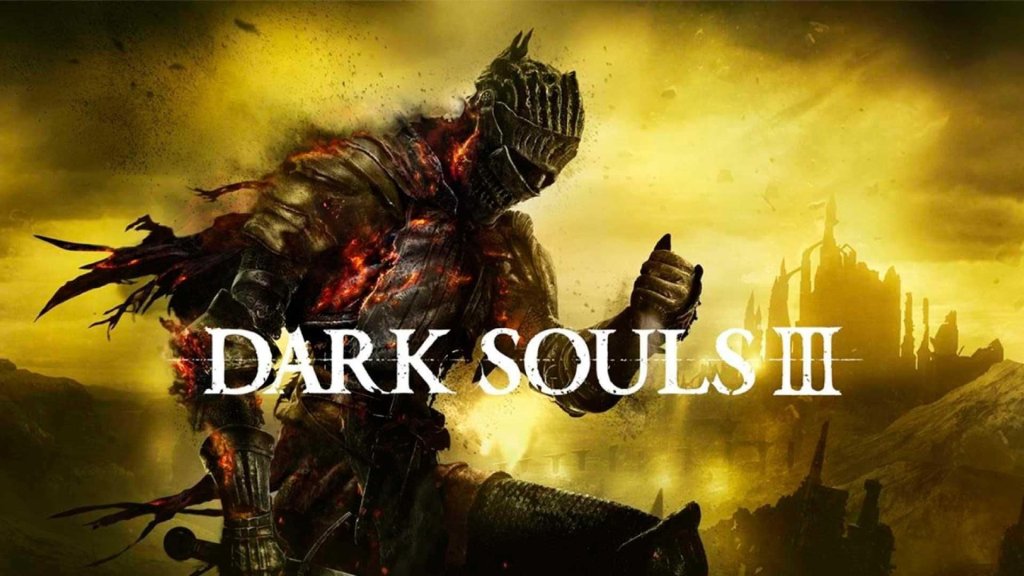
Game Introduction
Dark Souls III Game Introduction
Genre: Action role-playing game (ARPG) with heavy elements of dark fantasy, exploration, and punishing difficulty.
Developer & Publisher: Developed by FromSoftware, Inc. Published worldwide by Bandai Namco Entertainment.
Release Timeline:
- Original Release: March 24, 2016 (Japan), April 12, 2016 (worldwide)
- The Fire Fades Edition (Game of the Year): April 20, 2017 (includes all DLC)
- PC (Steam)
- PlayStation 4 (backward compatible on PS5)
- Xbox One (backward compatible on Xbox Series X|S)
- The Ashen One – The player character, a mute undead resurrected to link the Fire.
- Fire Keeper – A blind maiden tending the Flame at Firelink Shrine who aids you.
- Lords of Cinder: Ludleth of Courland, the Abyss Watchers, Yhorm the Giant, Aldrich the Devourer, and Prince Lothric & his brother Lorian.
- Soul of Cinder – The final boss, a composite of all previous Lords of Cinder.
- Gael (The Ashes of Ariandel DLC) – A slave knight who becomes a central figure.
- Midir (The Ringed City DLC) – An ancient dragon guardian of the Ringed City.
- Challenging but rewarding combat: Precise dodging, blocking, stamina management, and enemy pattern learning.
- Deep, cryptic lore: Story told through item descriptions, environment, and NPC dialogue; encourages community theorycrafting.
- Exploration and atmosphere: A beautifully melancholic world with hidden bosses, treasures, and shortcuts.
- Build variety: Players can choose from dozens of weapons, spells, miracles, and armor sets to customize their playstyle (e.g., strength tank, dexterity rogue, pyromancer, sorcerer).
- Online interactions: Asynchronous messages, co-op summoning, and competitive invasions create dynamic multiplayer encounters.
- Hardcore gamers who enjoy mastering difficult gameplay and overcoming frustration.
- Fans of the previous Souls games (Demon’s Souls, Dark Souls I & II) and Bloodborne.
- Players who appreciate deep lore, world design, and non-linear exploration.
- Those looking for a single-player experience with optional multiplayer elements.
- Not recommended for players who dislike repetitive deaths, minimal direction, or high difficulty.
- Single-player campaign: Complete the main story and optional side areas.
- New Game Plus (NG+): Replay the game with increased difficulty and your existing gear, with new enemies and items.
- Online Multiplayer: Invade or help other players, leave messages, and engage in duels via specific covenants (e.g., Blades of the Darkmoon, Warrior of Sunlight).
- Player-vs-Player (PvP) arenas: In the DLC areas (Painted World of Ariandel and The Ringed City) you can participate in structured 1v1 or team battles.
- Offline mode: Entire game playable without an internet connection; all content accessible, but online features (co-op, invasions, messages) are disabled.
- Online mode (required for multiplayer): Players must be connected to the internet and have a PlayStation Plus (PS4/PS5) or Xbox Live Gold (Xbox One/Series X|S) subscription. PC requires only a Steam account free of charge. Online features are fully integrated into the single-player progression.
- Server status: Official servers remain active; however, community servers are still supported (e.g., for dedicated PvP).
- Masterful level design: The world of Lothric is a tightly interwoven maze where almost every area connects vertically or through shortcuts, rewarding players who explore thoroughly.
- Fluid, refined combat: Faster than previous Dark Souls titles, with combat that blends the weight of the original series with the speed of Bloodborne. Weapon arts add deep tactical options (e.g., stance changes, special attacks).
- Emotional storytelling: The tragedy of Gwyn’s legacy, the futility of linking the Fire, and the conclusion of the trilogy are delivered through subtle environmental cues and boss encounters that leave a lasting impact.
- Replayability: New Game Plus cycles, multiple endings (4 total), covenant rewards, and build variety ensure hundreds of hours of gameplay.
- Community and legacy: Dark Souls III remains the most accessible entry in the trilogy while retaining the signature difficulty, and it serves as a love letter to fans who have followed the series since Demon’s Souls.
Platforms:
Story Overview:
In a dying world where the First Flame that sustains the Age of Fire is fading, the realm of Lothric is crumbling. The Lords of Cinder—powerful beings who once linked the Flame—have abandoned their thrones, refusing to sacrifice themselves once more. You play as the Ashen One, an Undead resurrected to hunt down these Lords and bring them back to their thrones, thus relinking the Flame and prolonging the age. However, as you journey through twisted kingdoms, you uncover deeper truths about the cycle of Fire and Dark, leading to a choice that will determine the fate of the world.
Setting:
The game takes place in the kingdom of Lothric and its surrounding regions, including the Undead Settlement, Farron Keep, Irithyll of the Boreal Valley, and the Profaned Capital. The world is interconnected through a central hub, Firelink Shrine, with shortcuts, secrets, and branching paths that reward exploration. The visual design is grim and haunting, with crumbling cathedrals, poison swamps, and icy cities that reflect the decay of the Age of Fire.
Main Characters:
Core Appeal:
Target Audience:
Game Modes:
Online/Offline Support:
DLC/Expansion Overview:
The game includes two major DLC expansions that are essential for a complete experience:
1. Ashes of Ariandel (Released October 25, 2016) – Introduces the frozen Painted World of Ariandel, a new area with a focus on exploration, new weapons, armor, and the boss Friede. Also adds the Champion’s Gravetender leader and a wolf boss.
2. The Ringed City (Released March 28, 2017) – The final DLC, set in the crumbling city at the end of the world. Features the iconic bosses Demon Prince, Halflight, Spear of the Church, Gael, and Darkeater Midir. Concludes the Dark Souls trilogy storyline.
The The Fire Fades Edition bundles both DLCs with the base game.
What Makes This Game Unique?