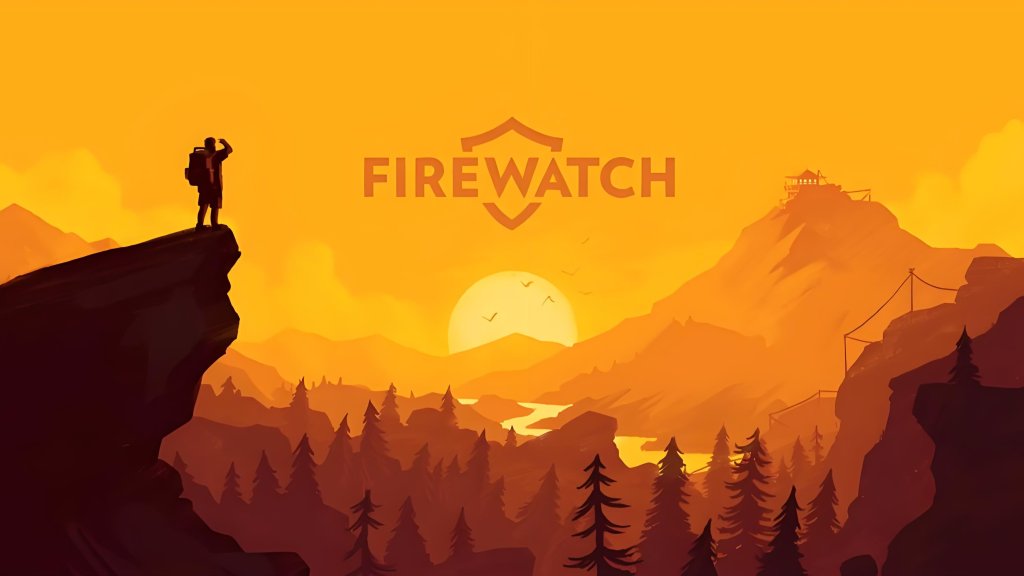
Game Introduction
Game Introduction
Genre
First-person adventure, mystery, narrative-driven walking simulator.
Developer & Publisher
Developed by Campo Santo, an independent studio founded by former Telltale Games and Klei Entertainment veterans. Published by Panic Inc., known for their software tools and publishing ventures.
Release Timeline
- Initial Release: February 9, 2016 (Windows, Mac, Linux, PlayStation 4)
- Xbox One: September 21, 2016
- Nintendo Switch: December 17, 2018
- Henry – The protagonist, a middle-aged man fleeing a difficult family situation. He is silent except for dialogue choices the player makes, shaping his personality.
- Delilah – Henry’s supervisor, voiced with remarkable depth by Cissy Jones. She is witty, sarcastic, and guarded, but gradually reveals vulnerabilities. Their conversations form the emotional core of the game.
- Ned – A mysterious character whose presence is felt through notes and actions; a key figure in the unfolding mystery.
- Brian Goodwin – A teenager connected to a secret research project; his disappearance drives much of the plot.
- Immersive storytelling – The relationship between Henry and Delilah evolves organically through player choice, creating a deeply personal narrative.
- Stunning visual style – Vibrant, hand-painted environments with a unique art direction that evokes classic American landscape paintings.
- Atmospheric tension – A slow-burn mystery that mixes quiet introspection with moments of genuine unease.
- Meaningful player choice – Dialogue options affect not only story outcomes but also the emotional texture of conversations, without branching into vastly different endings.
- Narrative-focused experiences over combat or action.
- Walking simulators and exploration games (e.g., What Remains of Edith Finch, Gone Home).
- Emotional stories about relationships, loss, and self-reflection.
- Artistic, non-photorealistic graphics and ambient soundtracks.
- Mature themes handled with nuance (suicide, dementia, guilt).
- Single-player story – The only mode. A linear campaign lasting approximately 4–6 hours.
- Free Roam – After completing the story, players can explore the forest at their own pace, with no narrative goals.
- Audio Tour (added post-launch) – A developer commentary mode where the creative team discusses design choices and behind-the-scenes stories while you walk through the world.
- Offline: Fully playable offline. No internet connection required after installation.
- Online: No multiplayer or online features. The game is entirely single-player.
- DRM: Some platform versions (Steam, GOG) may require a one-time online activation; console versions work offline.
- Free Audio Tour mode (added in 2016).
- Special Edition (retail) contained bonus physical items like a map, sticker, and postcard, but no extra gameplay.
- Nintendo Switch version includes all updates. The game remains a complete, self-contained experience.
Platforms
Available on Windows, macOS, Linux, PlayStation 4, Xbox One, and Nintendo Switch. No mobile or VR versions exist.
Story Overview
Firewatch follows Henry, a man who takes a summer job as a fire lookout in Shoshone National Forest, Wyoming, in 1989. Hoping to escape his troubled personal life, he becomes isolated in a remote watchtower with only his supervisor, Delilah, for company via walkie-talkie. What begins as a quiet, reflective job quickly spirals into a tense mystery when strange events occur in the forest – a missing teenagers’ campsite, a broken research station, and an unseen figure that seems to be watching them. Henry and Delilah must piece together the truth while confronting their own pasts and the wilderness around them.
Setting
The game takes place in a stunningly stylized version of the Wyoming wilderness, specifically the Shoshone National Forest. The time is summer 1989, before cell phones and widespread internet, emphasizing isolation and reliance on a radio. The environment changes with the story’s mood, from serene sun-drenched meadows to ominous, smoke-filled valleys as a wildfire threatens the park.
Main Characters
Core Appeal
Target Audience
Firewatch appeals to players who enjoy:
Game Modes
Online / Offline Support
DLC / Expansion Overview
Firewatch has no paid DLC or expansions. Post-launch content includes:
What Makes Firewatch Unique?
1. Radio conversations as core gameplay – The walkie-talkie is the only lifeline; choosing what to say (or stay silent) shapes your bond with Delilah and influences story beats.
2. Reactive world – The environment changes based on your actions (e.g., a locked gate you ignored early might become relevant later).
3. Art style over realism – The painterly aesthetic, using bold colors and simple geometry, creates an iconic look that stands out from hyper-realistic titles.
4. Ambiguous morality – There are no clear heroes or villains; every character has flawed, human motivations.
5. A deliberate pace – The game refuses to hold your hand, allowing you to get lost literally and emotionally, trusting the player to find meaning in quiet moments.
Firewatch is a landmark indie title that proves a small team can craft a memorable, emotionally resonant experience without combat or puzzles, relying instead on place, voice, and player agency.