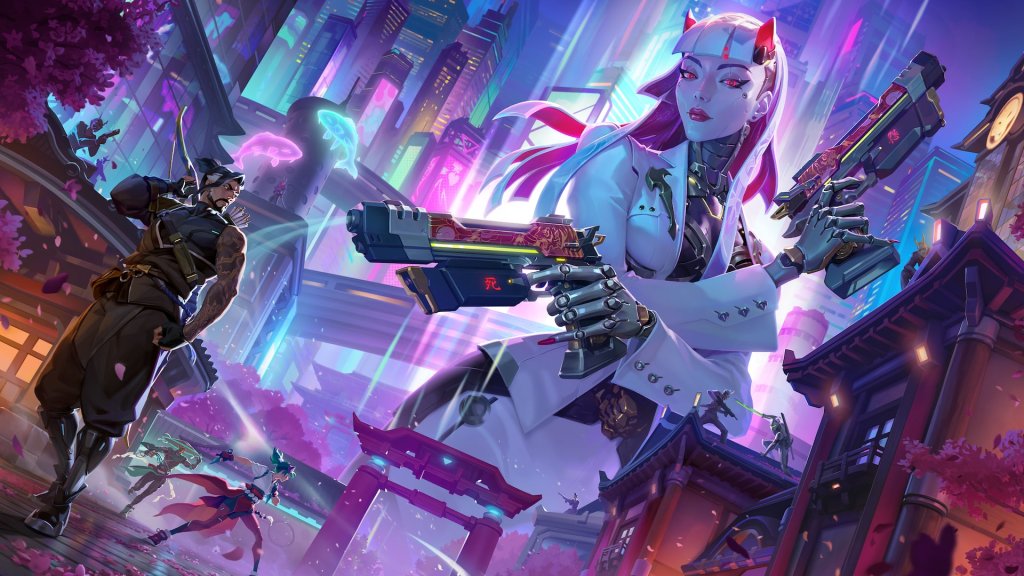
Game Introduction
Game Introduction for Overwatch (Overwatch 2)
Overview
Overwatch is a team-based multiplayer first-person shooter developed and published by Blizzard Entertainment. Originally launched on May 24, 2016, it quickly became a global phenomenon, praised for its vibrant art style, diverse cast of heroes, and emphasis on teamwork over individual performance. On October 4, 2022, Blizzard released Overwatch 2, a major sequel that replaced the original game, evolving the franchise with a free-to-play model, new content, and a new 5v5 format while retaining the core gameplay that defined the series.
Genre
- Primary: Team-based first-person shooter (FPS) with hero shooter elements.
- Sub-genre: Action, Strategy, Competitive Esports.
- Developer: Blizzard Entertainment (Irvine, California).
- Publisher: Blizzard Entertainment.
Developer & Publisher
Release Timeline
| Version | Release Date | Notable Features |
|---|---|---|
| Overwatch (Original) | May 24, 2016 (Worldwide) | Pay-to-play, 6v6, 21 heroes, maps, Competitive Mode added later. |
| Overwatch 2 | October 4, 2022 (Worldwide) | Free-to-play, 5v5, new heroes, Push mode, PvE story missions, revamped visuals and UI. |
Platforms
- PC: Windows via Battle.net.
- Console: PlayStation 4, PlayStation 5, Xbox One, Xbox Series X|S, Nintendo Switch.
- Cross-Platform Play: Supported across all platforms (including cross-progression with a linked Battle.net account).
- Damage (DPS): High damage output. Examples: Tracer (time-manipulating Brit), Reaper (shotgun-wielding wraith), Genji (cyborg ninja).
- Tank: Absorb damage and create space. Examples: Reinhardt (shield-wielding knight), D.Va (mech pilot), Winston (intelligent gorilla scientist).
- Support: Heal and buff allies. Examples: Mercy (guardian angel), Ana (sniper healer), Zenyatta (monk orbs).
- Hero Swapping: Players can switch heroes during a match to counter opponents—a strategic depth rare in shooters.
- Teamwork: Each hero has specific synergies and counters; success depends on coordination, not just aim.
- Accessibility: Low barrier to entry with varied playstyles (no two heroes control the same).
- Visuals & Sound: Vibrant, clean graphics and an iconic soundtrack by Derek Duke and Neal Acree.
- Competitive Integrity: Regular balance patches, role queue, and a robust ranking system.
- Casual Gamers: Quick Play and Arcade modes offer low-pressure fun.
- Competitive Players: Ranked mode, leaderboards, and a thriving esports scene (Overwatch League, now transitioning to new formats).
- Lore Enthusiasts: Deep narrative through cinematics, comics, and PvE missions.
- Co-op Fans: PvE story missions and events like Junkenstein’s Revenge.
- FPS Veterans: High skill ceiling for aim and game sense.
Story Overview
Set in a near-future Earth, the story begins with the Omnic Crisis—a global uprising of intelligent robots (Omnics) that threatens humanity. In response, the United Nations formed an elite international task force called Overwatch, led by heroes like Soldier: 76, Reaper (originally Gabriel Reyes), Ana, and Jack Morrison. After the crisis was resolved, Overwatch operated as a peacekeeping force for decades but eventually disbanded due to internal conflict and accusations of misconduct. Years later, a new threat emerges, and former members as well as a new generation of heroes reunite to protect the world. Overwatch 2 continues the narrative with the Null Sector incursion and the return of Talon, a terrorist organization. The PvE story missions (released in seasons 6 and onward) expand on the lore, focusing on heroes like Tracer, Winston, and Sojourn as they combat new threats.
Setting
The game is set on an optimistic, colorful version of Earth in the 2070s. Locations range from futuristic cities like King’s Row (London), Hanamura (Japan), and Dorado (Mexico), to exotic locales like Temple of Anubis (Egypt) and Route 66 (USA). The art style blends anime inspiration with Pixar-like aesthetics, creating a bright and accessible world even during combat.
Main Characters (Heroes)
Overwatch features over 35 playable heroes, each with unique abilities, weapons, and backstories. They are categorized into three roles:
Iconic heroes like Tracer (the face of Overwatch), Winston (the leader of the new Overwatch), and Widowmaker (Talon assassin) are central to the story.
Core Appeal
Target Audience
Game Modes
| Mode | Description |
|---|---|
| Quick Play | Unranked standard matches (5v5) with role queue or open queue. |
| Competitive Play | Ranked matches with skill tiers (Bronze to Top 500), seasonal rewards. |
| Arcade | Rotating modes like 3v3, 1v1, Mystery Heroes, and custom game modes. |
| PvE Missions | Story-driven co-op missions (available in Overwatch 2 seasons). |
| Practice & Custom Games | Training range, vs. AI, and fully customizable lobbies. |
| Events | Seasonal events (Halloween, Winter Wonderland, Archives) with limited-time modes and cosmetics. |
Online/Offline Support
- Online Multiplayer: Required for all gameplay—Overwatch 2 is entirely online with no offline single-player campaign (PvE missions require online matchmaking).
- Internet Connection: Broadband required; no offline bot matches (only vs. AI training which still uses online).
- Server Regions: Multiple global server clusters; players select region (Americas, Europe, Asia).
- Battle Pass: Seasonal (9 weeks) with free and premium tracks; includes cosmetic items, currency, and sometimes new heroes (new heroes unlock at tier 55 or via challenges).
- In-Game Shop: Cosmetics, skins, emotes, etc., purchasable with real money or in-game currency (Overwatch Coins, Legacy Credits).
- PvE Content: Story missions added seasonally (e.g., Season 6: Invasion introduced three PvE missions; more planned).
- Hero & Map Updates: New heroes and maps are free to all players (though hero access may be delayed for free-tier players in some cases).
- No Loot Boxes: Overwatch 2 removed randomized loot boxes entirely.
DLC/Expansion Overview
Overwatch 2 operates on a free-to-play, live-service model with no paid expansions. Revenue comes from:
What Makes Overwatch Unique?
1. Hero-Based Gameplay: Unlike traditional shooters where all players are functionally identical, Overwatch’s diverse roster forces adaptation and creativity.
2. Role Synergy: The Tank/Damage/Support dynamic creates a rock-paper-scissors strategy absent in most multiplayer shooters.
3. Inclusive Art Style: Bright, stylized, non-realistic graphics make the game visually appealing and less violent than gritty shooters.
4. Emphasis on Team Composition: The ability to swap heroes mid-game means the best team is not predetermined; matches evolve dynamically.
5. Strong Narrative Integration: Even in multiplayer, maps have lore-relevant dialogue and objectives (e.g., escorting a payload with story significance).
6. Live Esports Ecosystem: The Overwatch League (now transformed into Overwatch Champions Series) set a standard for franchised esports.
Overwatch (now Overwatch 2) remains a staple of the hero shooter genre, blending fast-paced action with strategic depth, appealing to millions worldwide."