Game Introduction
PlayerUnknown's Battlegrounds (PUBG) – Game Introduction
Genre & Basics
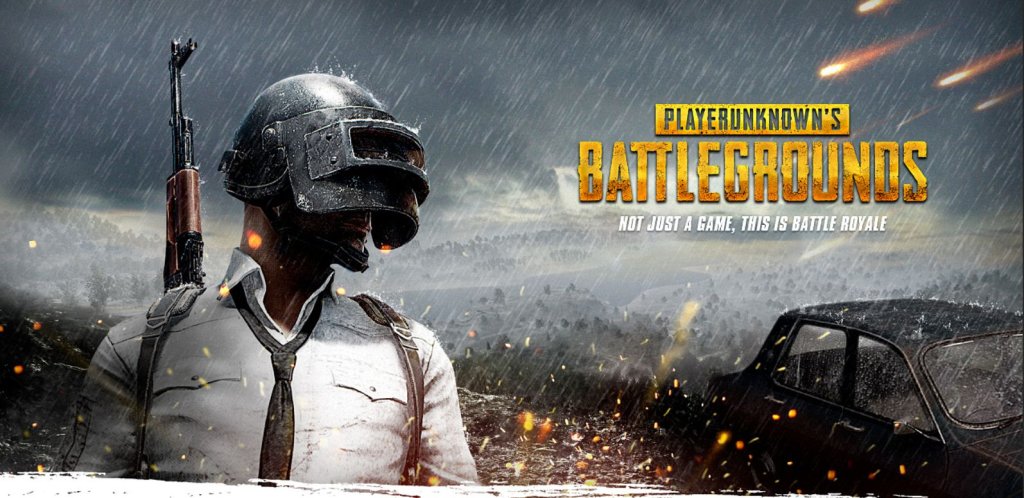
PlayerUnknown's Battlegrounds (commonly abbreviated as PUBG) is a battle royale third-person and first-person shooter developed by PUBG Studios (formerly Bluehole Ginno Games) and published by Krafton (formerly Bluehole Inc.). The game pits up to 100 players against each other in a last-player-standing deathmatch, where participants parachute onto an island, scavenge weapons and equipment, and fight for survival while a shrinking play zone forces encounters.
Developer & Publisher
- Developer: PUBG Studios (subsidiary of Krafton)
- Publisher: Krafton (global). In China, the game is published by Tencent Games for mobile and PC versions.
- Creator: Brendan Greene ("PlayerUnknown"), who originally created the battle royale mod for ARMA 2 and later ARMA 3.
- Early Access (PC): March 23, 2017 (Steam)
- Version 1.0 (PC): December 20, 2017
- Xbox One (Game Preview): December 12, 2017
- Full Xbox One release: September 4, 2018
- PlayStation 4: December 7, 2018
- Mobile (iOS/Android): March 19, 2018 (PUBG Mobile, developed by Tencent)
- Stadia: April 28, 2020 (service now defunct)
- Epic Games Store: February 2022 (PC)
- Next-Gen consoles: Enhanced versions for PlayStation 5 and Xbox Series X/S released in November 2020.
- PC: Windows (via Steam, Epic Games Store, and official website)
- Consoles: PlayStation 4, PlayStation 5, Xbox One, Xbox Series X|S
- Mobile: Android, iOS (as PUBG Mobile, separately developed by Tencent)
- Cloud: Previously available on Google Stadia (now closed).
- Gunplay & Ballistics: Realistic weapon physics, bullet drop, and attachment system. Skill-based shooting with a high skill ceiling.
- Tension and Survival: Every match offers unique, high-stakes encounters. The shrinking play zone (blue zone) forces strategic movement and engagements.
- Loot & Progression: Randomized loot spawns keep each game fresh. Players must adapt to what they find.
- Teamwork: Squads (2 or 4 players) encourage communication, coordination, and clutch revives.
- Competitive Depth: Professional esports scene with the PUBG Global Championship (PGC) and regional leagues.
- Primary: Hardcore and competitive gamers who enjoy realistic shooters, survival mechanics, and high-stakes gameplay.
- Secondary: Casual players looking for a challenging but rewarding battle royale experience.
- Not for: Those who prefer fast-paced arcade shooters (e.g., Fortnite) or narrative-driven single-player games.
- Battle Royale: Solo (1 player), Duo (2 players), Squad (4 players). Options for first-person (FPP) and third-person (TPP) perspectives.
- Arcade Modes: Short, fast-paced modes like "Mini Royale" (4 teams of 4 on small map), "War Mode" (team deathmatch with respawns), and "Aim Lab" (training).
- Ranked Mode: Competitive ruleset (reduced loot spawns, no auto-aim assist, specific vehicle and zone settings).
- Custom Matches: Players can create private rooms with adjustable settings.
- Training Mode: A test environment for aiming, vehicle handling, and weapon practice.
- Limited-Time Events: Themed modes such as Zombie Survival, Infection, or map-specific events.
- Online Required: Full, persistent internet connection is mandatory for all game features.
- Offline: No single-player or offline capabilities. The game is entirely online multiplayer.
- Server Regions: Multiple regional servers for low ping (Americas, Europe, Asia, etc.).
- Base Game: Paid on PC and consoles (around $30 USD). Mobile is free-to-play with in-app purchases.
- Post-Launch Content: All gameplay updates (maps, modes, weapons, vehicles) are free for base game owners.
- Cosmetic DLC: Players can purchase "Hunter's Kit," special skins, or battle passes (Survivor Pass) that contain cosmetic items. No pay-to-win elements.
- Seasonal Content: Regular updates with new maps, weapons, and quality-of-life improvements.
- Mobile: Functionally separate game (PUBG Mobile) with its own battle pass, events, and exclusive cosmetics.
Release Timeline
Platforms
Story Overview & Setting
PUBG does not have a traditional narrative or campaign. Instead, it provides a soft narrative through its environments and seasonal lore. The game is set on a fictional island called Erangel (the original map), an abandoned Soviet-style territory with remnants of military occupation and abandoned structures. Other maps include Miramar (a desert region), Sanhok (a tropical jungle), Vikendi (a snowy alpine island), Karakin (a small 2x2 km desert map), Taego (a large 8x8 km Korean-inspired map), Paramo (a dynamic 3x3 km volcanic map), Deston (a flooded city map), and Rondo (a 8x8 km Asian-themed map). Each map offers different terrain, weather conditions, and loot distribution. The underlying premise remains consistent: players are air-dropped onto an island and must be the last survivor.
Main Characters
PUBG does not feature named characters with backstories. Players customize their own anonymous soldier with various outfits, skins, and gender options. The game’s lore, if any, is insinuated through map descriptions, weapon skins, and seasonal events—but there are no protagonist or antagonist figures.
Core Appeal
Target Audience
Game Modes
Online & Offline Support
DLC, Expansions & Monetization
What Makes PUBG Unique?
1. Realism over Arcade: Unlike most battle royales, PUBG emphasizes realistic gunplay, bullet travel time, recoil, and inventory management. Vehicle handling is weighty and health system requires bandages, med kits, and boosters.
2. Inventory & Loot Depth: Players manage space by prioritizing armor, ammo, grenades, and healing items. Weapon attachments (scopes, grips, muzzle devices, magazines) significantly alter performance.
3. Map Variety: From 8x8 km Erangel to 2x2 km Karakin, each map offers distinct tactical challenges—open fields, dense urban, mountains, water, and dynamic environments.
4. Sound Design: Cues for footsteps, gunshots, vehicle engines, and zone transitions are critical for survival. Headphones are nearly mandatory.
5. No Respawn Mechanics: On death, players are eliminated from the match unless using the limited-time "Blue Chip" revival system (introduced in later seasons). Standard mode is one life per match.
6. Esports Viability: The game's balance and depth have fostered a thriving competitive scene with large prize pools (PGC 2024: $2 million).
PUBG stands as the pioneer of the battle royale genre, inspiring countless clones but retaining a dedicated fanbase thanks to its unforgiving realism, strategic depth, and constant content updates.