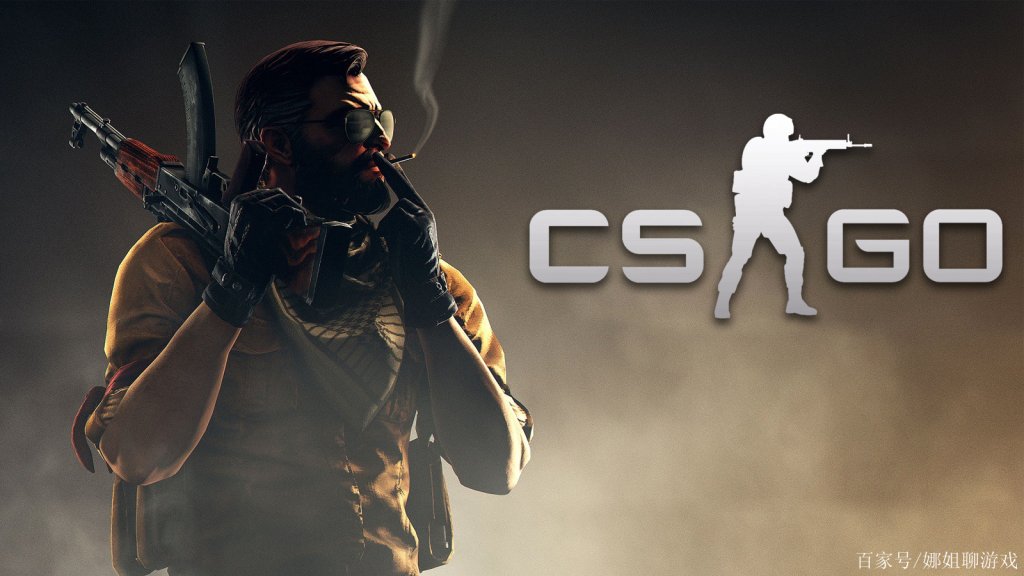
Game Introduction
Game Introduction: Counter-Strike: Global Offensive
Overview
Counter-Strike: Global Offensive (CS:GO) is a landmark tactical first-person shooter that defined competitive multiplayer gaming for over a decade. Developed by Valve Corporation and Hidden Path Entertainment, CS:GO is the fourth installment in the legendary Counter-Strike series. Released on August 21, 2012, the game became an esports titan and the gold standard for skill-based, team-oriented shooters.
Developer & Publisher: Valve Corporation
Release Timeline:
- Initial release: August 21, 2012 (Windows, macOS, Xbox 360, PlayStation 3)
- Linux version: September 2014
- Free-to-play transition: December 6, 2018
- Legacy status: Superseded by Counter-Strike 2 (CS2) on September 27, 2023
- Terrorists (T-side): A shadowy, stateless organization seeking to plant explosives or take hostages.
- Counter-Terrorists (CT-side): Elite special forces units (including SAS, GSG-9, FBI, and others) tasked with preventing terrorist objectives.
- Competitive gamers seeking a deep, fair, and punishing multiplayer experience.
- Esports enthusiasts who enjoy high-level play, watching tournaments, or climbing global leaderboards.
- Tactical shooter fans who prefer methodical gunplay over run-and-gun chaos.
- Collectors and traders drawn to the game’s economy of weapon skins, stickers, and gloves.
- Casual players (though the learning curve is steep) who enjoy unranked modes and community servers.
Platforms: PC (Windows, macOS, Linux), Xbox 360, PlayStation 3 (console versions discontinued from 2022 onward)
Story & Setting
Unlike narrative-driven shooters, CS:GO has no single-player campaign or overarching story. Its “story” is emergent—born from countless rounds of competitive play between two iconic factions:
Setting: The game takes place in a near-contemporary, gritty world inspired by real-world locations. Maps range from urban environments (Dust II, Mirage, Inferno) to industrial sites (Nuke, Train) and secret facilities (Cache, Overpass). Every map tells a micro-story: a bomb planted in a dusty Moroccan marketplace, a hostage crisis in an Italian villa, or a chemical process facility under siege.
Main Characters: CS:GO features no named protagonists or antagonists. Instead, players embody anonymous operatives from various global factions—each with distinct voice lines, models, and lore. The real characters are the players themselves, who forge rivalries and legacies through skill and teamwork.
Core Appeal
CS:GO’s appeal lies in its pure, unadulterated skill gap. There are no abilities, killstreaks, or loadout perks—only raw aim, game sense, communication, and strategy. Every round is a high-stakes chess match where economy management (saving money for rifles vs. pistols) is as crucial as landing headshots. The game rewards patience, precision, and teamwork over reaction time alone.
Target Audience
Game Modes
CS:GO offers a variety of modes catering to different playstyles:
| Mode | Description | Notable Features |
|---|---|---|
| Competitive | 5v5, best-of-30 rounds, ranked matchmaking. Attackers & defenders swap halves after 15 rounds. | Skill groups (Silver through Global Elite), map-specific strategies, active duty map pool for esports. |
| Casual | 10v10, relaxed rules (no friendly fire, no vote kick, longer round time). | Ideal for learning maps and basics without pressure. |
| Deathmatch | Free-for-all or team-based respawn arena with instant weapon selection. | Warm up aim, practice recoil control. |
| Arms Race | Gun-progression mode: earn two kills with a weapon to advance to the next (weapon wheel). | Fast-paced, chaotic fun; similar to Call of Duty’s “Gun Game.” |
| Demolition | Progressive gun ranks (like Arms Race) but with a bomb objective. | Bridges casual fun and competitive fundamentals. |
| Wingman | 2v2, smaller maps, shorter rounds. | Fast-paced competitive alternative for duos. |
| Danger Zone | Battle royale mode (free-to-play update in 2018). 16-18 players, loot weapons, last alive wins. | Unique blend of CS:GO mechanics with BR elements. |
| Custom/Community | Unlimited possibilities: surf, bhop, zombie escape, hide-and-seek, aim maps, retakes, etc. | Supported by Valve’s server browser and custom game modes. |
Online Support: Fully online, with dedicated servers worldwide. Features automatic matchmaking (ranked & unranked), community servers, and official competitive servers (ESEA, Faceit, etc.). Requires internet connection for full functionality; local offline play is limited to bot matches.
DLC & Expansions
CS:GO was never sold with traditional DLC or paid expansions. Instead, the game monetized via:
- Weapon Skins & Sticker Capsules (requires keys to open).
- Operation Passes (seasonal content offerings): Introduced new maps, missions, cosmetics, and a battle-pass-style progression. Major Operations include Operation Payback (2013), Operation Bravo, Phoenix, Breakout, Bloodhound, Shadow, etc., up to Operation Riptide (2021).
- Prime Status (paid upgrade to access prime matchmaking, drops, and better anti-cheat).
- Legacy of Gameplay: The Counter-Strike formula (1999) has remained remarkably consistent; CS:GO refined it to near-perfection. No other shooter matches its blend of economy, precision, and round-based tension.
- Esports Dominance: CS:GO was the backbone of competitive gaming for years, with major tournaments like ESL One, IEM, BLAST Premier, and the annual CS:GO Major Championships. Prize pools reached millions, and the game inspired a generation of pro players.
- Community Content Ecosystem: The Steam Workshop, custom servers, and third-party platforms (ESEA, Faceit) created a self-sustaining ecosystem for maps, skins, and mods. The skin economy became a multi-million dollar marketplace.
- Skill Ceiling: The game’s recoil mechanics, movement (air strafing, bunny hopping), grenade trajectories, and map knowledge offer near-infinite depth. A single mistake can lose a round, making every decision matter.
- Accessible Yet Deep: New players can pick up an AK-47 and get an instant kill, but mastering spray patterns, peeking angles, and team coordination takes thousands of hours.
Important Note: As of September 2023, Counter-Strike: Global Offensive has been superseded by Counter-Strike 2 (CS2). All CS:GO inventories, skins, and progress were migrated to CS2. The original CS:GO is no longer available for download; players must install CS2 via Steam. The core gameplay remains nearly identical, but CS2 introduces Source 2 engine enhancements, volumetric smoke, and improved lighting.
What Makes This Game Unique
In summary, Counter-Strike: Global Offensive is more than a game—it’s a digital sport, a cultural phenomenon, and a testament to timeless design. While CS2 now carries the torch, CS:GO’s legacy endures as one of the greatest multiplayer shooters ever made.
---
Note: This guide covers the final state of the original CS:GO before its replacement. For current information, refer to the Counter-Strike 2 guide.