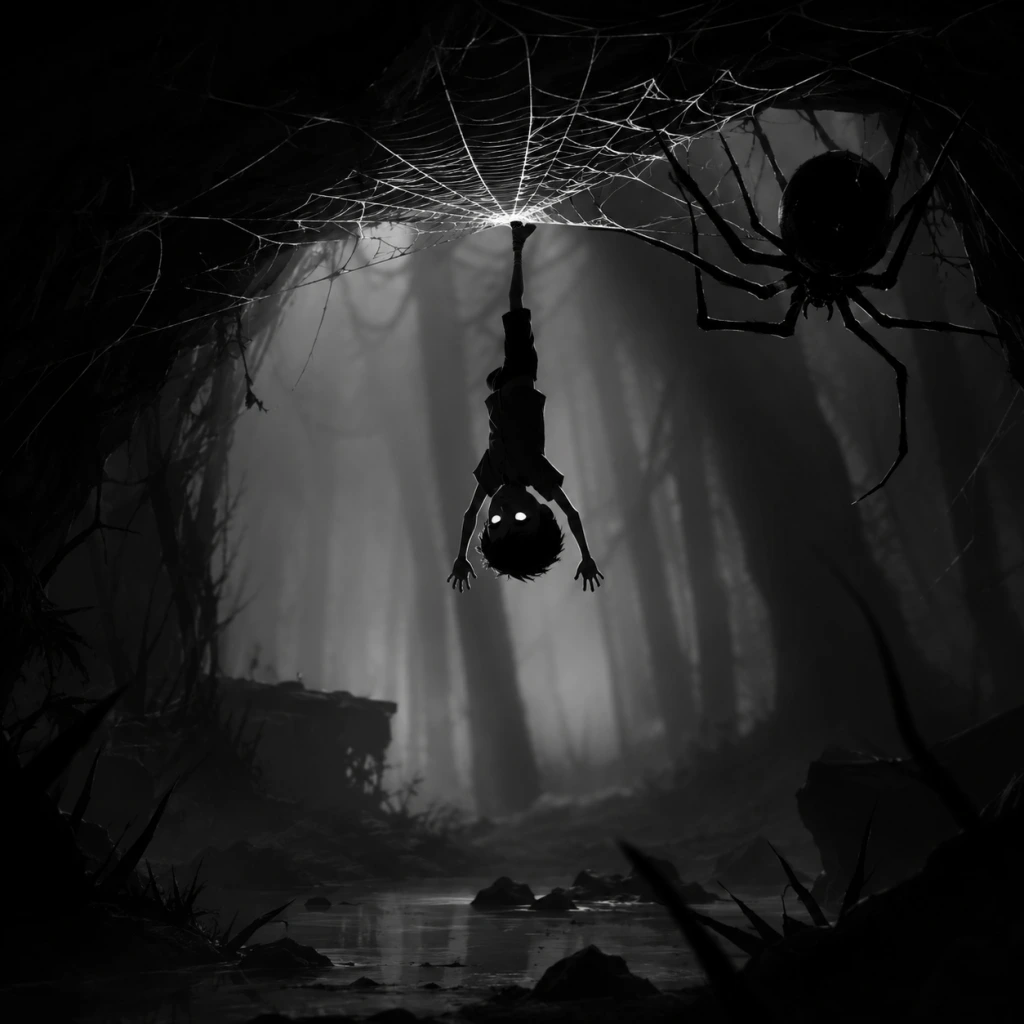
Game Introduction
Introduction
Limbo is a critically acclaimed puzzle-platformer developed and published by the independent Danish studio Playdead. First released in July 2010 on Xbox Live Arcade, the game quickly became a landmark title for its stark, monochromatic art style, atmospheric sound design, and emotionally resonant storytelling. Over the years, Limbo has been ported to virtually every major gaming platform, including PC (Steam, Epic Games Store, GOG), PlayStation 3, PlayStation 4, PlayStation 5, Xbox 360, Xbox One, Xbox Series X|S, Nintendo Switch, iOS, Android, and even Linux and Mac. The game is available as a standalone purchase and is often bundled with Playdead’s spiritual successor, Inside.
Genre
Limbo is a puzzle-platformer with strong elements of survival horror and adventure. It emphasizes environmental puzzles, precise timing, and a bleak, oppressive atmosphere over combat or dialogue.
Developer & Publisher
- Developer: Playdead (Denmark)
- Publisher: Playdead (initially self-published on Xbox 360; later distribution handled by Microsoft Game Studios on Xbox platforms, and by Playdead on others)
- Original release: July 21, 2010 (Xbox Live Arcade)
- PC (Steam): August 3, 2011
- PlayStation 3: August 2, 2011 (PlayStation Network)
- iOS: July 3, 2013 (iOS App Store)
- Android: December 18, 2014 (Google Play)
- PlayStation 4: February 5, 2014 (PSN)
- Xbox One: December 5, 2014 (backward compatible)
- Nintendo Switch: June 28, 2018
- PlayStation 5 & Xbox Series X|S: Backward compatible, with performance enhancements on newer consoles
- The Boy (protagonist): A small, unnamed boy with white eyes. He is vulnerable, silent, and entirely dependent on the player to survive. His only goal is to press forward and find his sister.
- The Sister (goal): The boy’s sister is never fully seen, but her silhouette appears briefly at the end. She is the driving motivation for the entire journey.
- Enemies and Obstacles: Giant spiders, brain-controlled humans, minecarts, deadly traps, and environmental hazards serve as the primary adversaries. No true “villain” is explicitly identified—only the hostile world itself.
- Fans of indie games and artistic, narrative-driven experiences.
- Players who enjoy puzzle-platformers like Inside, Braid, or Little Nightmares.
- Gamers looking for a shorter but memorable title (playtime ~3–5 hours).
- People who appreciate atmospheric horror without jump scares.
- All ages (ESRB T for Teen due to violence and disturbing imagery).
- Offline: The entire game can be played offline after installation. No internet connection is required for gameplay.
- Online: Achievements/trophies and leaderboards (on some versions) require internet access, but the core game does not. There is no online multiplayer.
Release Timeline
Story Overview
Limbo opens with a young boy waking up in the middle of a dark forest. Without any explanation or dialogue, the player must guide him forward to find his missing sister. The narrative unfolds purely through environmental storytelling and the boy’s silent journey through eerie, often deadly landscapes. The game’s ending is famously ambiguous, leaving players to interpret the meaning of the boy’s quest and the world he traverses.
Setting
The game is set in a monochrome, silhouette-driven world that evokes the feeling of an old film reel. The environment transitions from dense, spider-infested forests to abandoned factories, deep underground caverns, and surreal gravity-defying structures. The lighting is minimal, creating a constant sense of dread and uncertainty. The world feels both childlike and nightmare-inducing, with industrial hazards, hostile fauna, and humanoid figures that seem to chase or stalk the boy.
Main Characters
Core Appeal
Limbo appeals to players who value atmosphere, minimalist storytelling, and clever puzzle design. The game’s difficulty is moderate but unforgiving: death is common and often graphic, teaching players through trial and error. The sense of isolation and dread, paired with the joy of solving increasingly complex puzzles, creates a deeply immersive experience.
Target Audience
Game Modes
Limbo offers only a single-player campaign. There are no multiplayer, co-op, or competitive modes. The game is linear, with no branching paths or difficulty settings. It includes a “New Game+” functionality on some platforms that carries over certain secrets or achievements, but fundamentally the experience is identical each playthrough.
Online/Offline Support
DLC & Expansions
Limbo has no downloadable content or expansions. The game is a complete, self-contained experience. However, Limbo is frequently sold in bundles with Inside, Playdead’s follow-up title, which shares a similar aesthetic and gameplay philosophy but is a distinct game.
What Makes Limbo Unique?
1. Striking Monochrome Visuals: The game’s use of black, white, and shades of gray—with dynamic lighting and shadow—remains iconic. It creates a timeless, dreamlike atmosphere.
2. Lack of Text or Dialogue: The story is told entirely through visuals, sound, and player actions. This leaves the narrative open to interpretation and enhances immersion.
3. Trial-and-Error Puzzle Design: Many puzzles require the player to die repeatedly to learn the correct sequence or timing, reinforcing the themes of vulnerability and perseverance.
4. Minimalist Soundtrack: Ambient sounds, footsteps, creaking machinery, and subtle musical cues replace a traditional score, heightening tension.
5. Bleak, Yet Beautiful World: The juxtaposition of a child’s innocent quest in a horrific, industrial world creates a haunting emotional resonance.
6. Influence on Indie Gaming: Limbo helped define the modern “indie horror puzzle” genre and inspired countless games that followed.
For further details on downloading and installing Limbo, please refer to the Download & Installation section of this guide.