Core Gameplay
Core Gameplay: Outlast - Asylum Survival
Overview
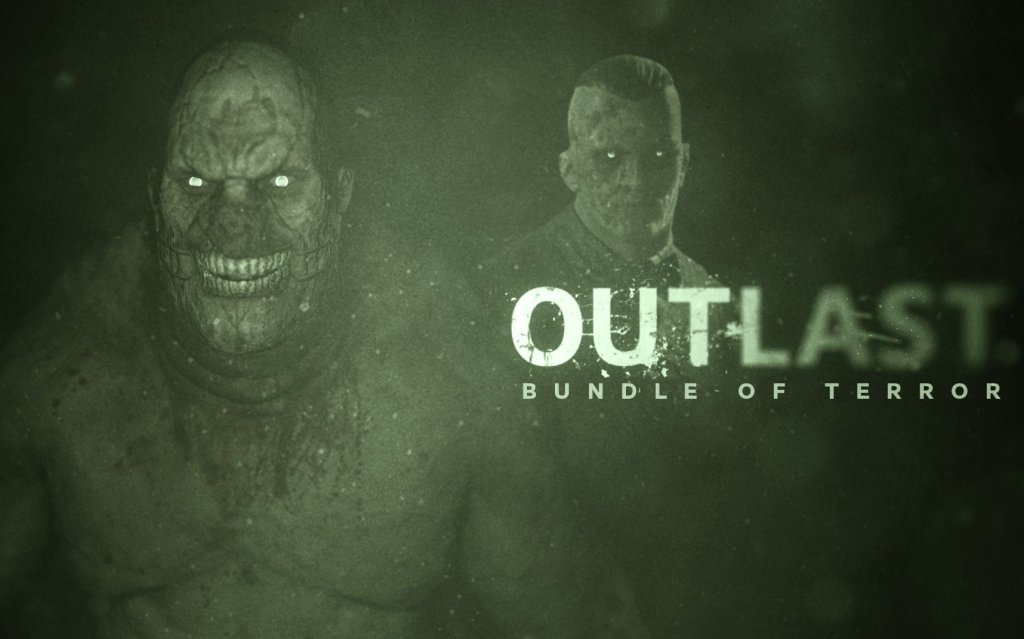
Outlast is a first-person survival horror game that strips away traditional combat. The core gameplay loop revolves around exploration, stealth, and evasion. You play as investigative journalist Miles Upshur, armed only with a camcorder (with night vision) and a desperate will to survive. There are no weapons, no health regeneration, and no direct attacks. Success means outsmarting enemies, managing resources (batteries, hiding spots), and solving environmental puzzles to advance through Mount Massive Asylum.
Main Gameplay Loop
1. Explore – Navigate linear but branching corridors, rooms, and outdoor areas. Search for documents, notes, and keys to unlock progress.
2. Evade – When an enemy appears, run, hide, and break line-of-sight. Use lockers, under beds, vents, and shadows. The camcorder's night vision is essential in darkness but consumes batteries.
3. Solve Environmental Puzzles – Find items (e.g., fuses, valves, keycards) to open doors, restore power, or activate elevators.
4. Survive Scripted Encounters – Many sections are triggered sequences where you must sprint to a specific exit while avoiding an unstoppable pursuer.
5. Collect Lore – Read documents and watch optional notes to piece together the asylum's dark history.
Combat / Interaction Systems
- No Combat – You cannot fight back. Any direct confrontation leads to instant death (or quick-time event death).
- Interactions – Context-sensitive actions: pick up items, open doors/closets, climb ladders, break glass, pull levers. Only one button is used (E on PC, X/Square on consoles).
- Camcorder – Toggle night vision with a button (press F on PC). It drains batteries; screen goes black if battery dies. You must hold the camcorder up to see in the dark (default toggle).
- Hiding – Press interact to enter/exit lockers, under beds, or behind curtains. Enemies check these spots if they suspect you.
- Running / Stamina – You can sprint (Shift on PC) but stamina depletes quickly and recovers slowly. Sprinting attracts noise.
- No Health System – You take damage from attacks (grabs, direct hits). If caught, you die immediately (except in scripted chases where you can slip away). No healing items exist – death means reload from last checkpoint.
- Linear Story – The game is divided into chapters (e.g., Entry, Prison Block, Male Ward, Underground, etc.). Progress is gated by finding key items and completing puzzles.
- No Experience Points or Skill Trees – Miles never gains abilities. The only progression is unlocking new areas and story revelations.
- Difficulty Progression – Enemies become more aggressive, environments more dangerous (e.g., flooded corridors, gas-filled rooms), and puzzles more complex.
- Semi-Linear – Most maps have a clear main path but reward off-the-beaten-path exploration with documents, optional notes, and sometimes alternate hiding spots or shortcuts.
- Locked Doors – Many doors require a key or a solved puzzle. Some are blocked by debris that must be moved.
- Environmental Storytelling – The asylum is filled with gory details, patient diaries, and security logs that flesh out the narrative. Thorough reading enriches the experience but is optional.
- No Traditional Quests – The game has a single objective: "Get to [location]" or "Fix [system]". These are guided by the main character's narration and objective markers (in the form of a yellow icon on the camcorder).
- Examples:
- Scripted Encounters – Many missions are really chase sequences (e.g., the "Chris Walker" basement encounter) where the goal is simply to survive while following a linear path.
- No Currency or Trading – The only resource is batteries for the camcorder. You find them scattered throughout the asylum in drawers, on tables, in dead bodies.
- Battery Management – Batteries are finite per chapter. Wasting night vision can leave you stumbling in the dark, making evasion impossible. Conserve by turning off night vision in well-lit areas.
- No Item Shop – All batteries are pickups. There is no way to craft or buy items.
- No Character Customization or Stats – Miles has no levels, skills, or attributes. The only "growth" is the player's own skill in memorizing layouts, learning enemy patrols, and conserving batteries.
- No Equipment Upgrades – The camcorder remains the same throughout. You cannot improve its battery life or night vision quality.
- Player Skill Progression – Real-world improvement: better route planning, quicker sprint-timing, more efficient reading of objective markers.
- Single Ending – After the final chapter ("The Ward" at the asylum exit),a story cutscene plays. No post-game content, no New Game+, no replay value beyond achievements/trophies.
- Achievements / Trophies – Some require completing the game on Insane difficulty (no saves, die once = restart), or collectible-related (find all documents). These are the only endgame goals.
- No Multiplayer or DLC – The base game has no additional modes. (DLC "Outlast: Whistleblower" is a separate campaign.)
- Objective: Survive the initial shock and learn the basics. You wake up in the asylum entry, need to find a way into the main building.
- Gameplay Focus: Very linear; tutorials on camcorder usage, hiding, and sprinting. Enemies are few but terrifying (e.g., Chris Walker). The main challenge is learning to break line-of-sight and find hiding spots.
- Batteries: Generous placements – plenty of batteries to let you experiment with night vision.
- Puzzles: Simple: find a key on a desk, pull a lever, climb a ladder.
- Pacing: Slow and scary; emphasis on atmosphere. You die mostly from panicking.
- Key Section: The first encounter with Chris Walker in the chapel – you must hide in a confessional and wait for him to leave.
- Objective: Navigate more complex environments with multiple routes and more aggressive enemies. Introduce new threats (e.g., the Twins, the wardens).
- Gameplay Focus: Stealth becomes critical. Enemies patrol fixed routes. You can no longer just run blindly; you must plan your path, anticipate enemy movement, and manage battery life carefully.
- Batteries: Less frequent – you may need to backtrack or skip dark rooms.
- Puzzles: Multi-step puzzles – e.g., rewire a fuse box by aligning symbols, or find two items (valve wheel + keycard) to open a door.
- Pacing: Increasingly frantic; scripted chase sequences (e.g., running from the Swimmer in the flooded basement) test your reflexes.
- Key Section: The "Women's Ward" where you must avoid the warden while solving a steam valve puzzle to unlock a gate.
- Objective: Survive the most intense sections of the asylum as the story reaches its climax. Enemies are relentless, and the environment is hostile (flooding, gas, darkness).
- Gameplay Focus: Pure evasion and puzzle-solving under extreme pressure. Many sections have no safe hiding spots – you must keep moving. Battery management is punishing; you will often be forced to stay in the dark for short periods.
- Batteries: Very scarce – you may have to run through lit areas deliberately to save batteries for crucial dark passages.
- Puzzles: Complex and time-sensitive – e.g., the "Escape the Morgue" sequence where you must unlock multiple doors while a monstrous patient stalks you.
- Pacing: Constant tension; minimal downtime. Enemies are nearly unstoppable – any detection means instant death.
- Key Section: The "Underground Laboratory" – you must navigate a maze of corridors while avoiding multiple enemies and turning on oxygen pumps to survive a gas-filled room.
- Objective: Reach the asylum exit amidst a chaotic environment (fire, collapsing walls).
- Gameplay Focus: A final gauntlet of scripted events with no room for error. You must sprint through corridors, dodge falling debris, and avoid the last enemy (Chris Walker again, but even faster).
- Batteries: Practically zero pickups. Use what you have sparingly.
- Puzzles: Minimal – mostly linear pathfinding.
- Pacing: Breakneck. The game throws everything at you: fire, explosions, insta-kill traps. The goal is simply to run.
- Key Section: The chase up to the roof – you must jump across collapsing floors and climb a ladder while Chris Walker pursues.
- After Completion: Credits roll; no post-game content. For achievement hunters, the Insane difficulty run requires replaying the entire game without dying (uses same tier progression but permadeath). There is no New Game+.
Progression
Exploration
Quests / Missions
- Early Game: "Find the key to the Male Ward"
- Mid Game: "Activate the elevator power by solving the fuse box puzzle"
- Late Game: "Navigate the flooded basement to reach the exit"