Game Introduction
Overview
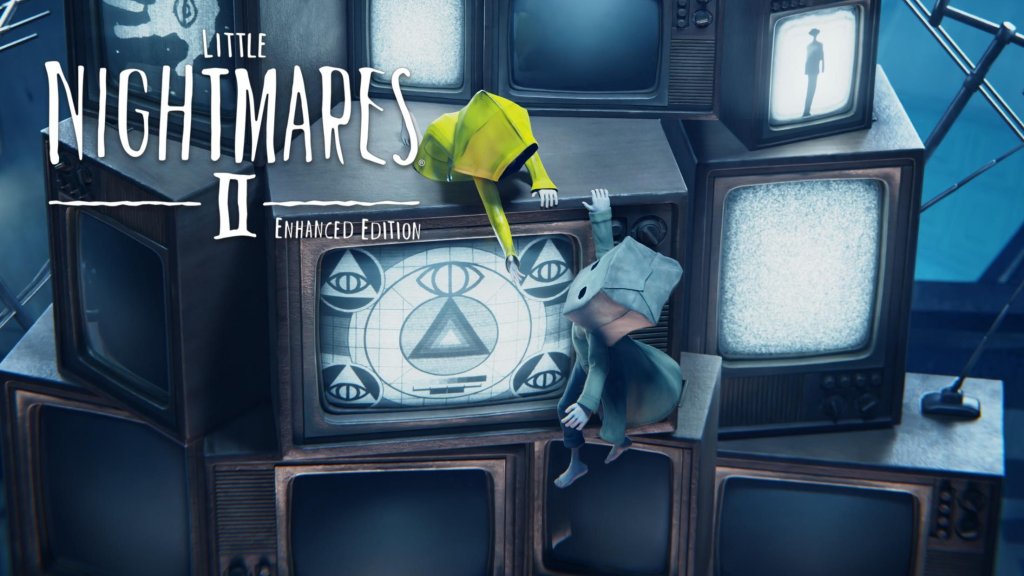
Little Nightmares II is a dark puzzle-platformer adventure developed by Tarsier Studios and published by Bandai Namco Entertainment. It is the sequel to the critically acclaimed Little Nightmares (2017) and expands the series' signature blend of haunting atmosphere, clever puzzles, and stealth-based gameplay. The game was released on February 11, 2021 for PC, PlayStation 4, Xbox One, and Nintendo Switch. Enhanced versions for PlayStation 5 and Xbox Series X|S arrived later on August 25, 2021, offering improved performance (60 FPS) and resolution options. A Google Stadia version launched on August 17, 2021.
Genre & Core Appeal
- Genre: Puzzle-platformer, stealth horror, adventure
- Core appeal: An unnerving, atmospheric journey through a distorted world, relying on tension, clever level design, and minimal UI. The game eschews direct combat for evasion, hiding, and environmental interaction. Its distinctive, grotesque art style and sound design create a constant sense of dread and wonder.
- The Wilderness: A bleak forest and abandoned schoolhouse, introducing the game's mechanics and the hostile, oversized environment.
- The School: A twisted educational institution filled with porcelain-faced, bullying children known as "Bullies."
- The Hospital: A grotesque medical facility where patients are strapped down and manipulated by a silent, masked surgeon.
- The Pale City Streets: A decaying urban landscape where citizens are glued to television screens, controlled by the malevolent Thin Man.
- The Signal Tower: The final, nightmarish destination – a pulsating structure that distorts reality and serves as the game's climax.
- Mono (Protagonist): A silent boy with a paper bag mask. He is nimble, resourceful, and capable of wielding a variety of items (like a flashlight, an axe, or a pipe) to solve puzzles and temporarily fight back. His motivations are tied to saving Six and stopping the broadcast.
- Six (Companion): Returning from the first game, Six is now a secondary character who follows Mono. She is smaller and more fragile, often requiring protection. Her interactions – such as holding hands or pointing out threats – are pivotal to cooperative puzzles. Her past remains mysterious.
- The Thin Man: A towering, gaunt figure with the ability to control televisions and manipulate space. He is the primary antagonist, representing the oppressive influence of the Signal Tower.
- Other inhabitants: The Bullies (student-like monsters), the Doctor (a grotesque, long-armed surgeon), and the Viewers (television-obsessed citizens) populate the city, each with unique behaviors.
- Fans of atmospheric horror and puzzle games (e.g. Inside, Limbo, The Last Guardian)
- Players who enjoy dark, narrative-driven adventures with minimal hand-holding
- Those who appreciate challenging stealth sections and clever environmental puzzles
- Suitable for ages 16+ due to disturbing imagery, violence, and psychological horror
- Single-player only: The game is a solo experience. There is no multiplayer or cooperative mode, though Six is controlled by AI and plays a interactive role.
- Offline support: Yes, the entire game can be played offline after installation. Internet is only required for download and updates.
- No online connectivity needed: There are no leaderboards, achievements that require online, or multiplayer components.
- Standard Edition: Base game only.
- Digital Deluxe Edition: Includes the base game, a digital artbook, the original soundtrack by Tobias Lilja, and a mobile phone wallpaper.
- Physical editions: Vary by region but generally include the base game; some limited editions may include bonus items like a mini art print or sticker sheet.
Story Overview
Set in the same universe as the first game, Little Nightmares II follows a new protagonist, Mono, a young boy with a paper bag over his head. He awakens in a mysterious wilderness and soon encounters Six (the protagonist of the first game), now seemingly more vulnerable and lost. Together, they must navigate the decaying, surreal landscape of the Pale City – a sprawling, nightmare-ridden metropolis where reality has twisted into horrifying forms. The story unfolds as Mono and Six try to escape the city's monstrous inhabitants and uncover a mysterious signal emanating from a distant tower. The narrative is conveyed almost entirely through environmental storytelling, character animations, and dreamlike sequences, with no spoken dialogue.
Setting
The Pale City is a grotesque, labyrinthine world that shifts between eerie outdoor areas and claustrophobic interiors. Key locations include:
Every inch of the setting is crafted with meticulous detail, from the faint sounds of creaking floorboards to the grotesque anatomy of the enemies, all contributing to the oppressive atmosphere.
Main Characters
Target Audience
Game Modes & Online/Offline Support
DLC / Expansion Overview
Little Nightmares II has not received any story-based DLC expansions. However, it does include:
Notably, the game received a free update adding a "Photo Mode" (available on all platforms) that allows players to capture the game's stunning environments with adjustable filters and depth of field.
What Makes This Game Unique
1. Cooperative puzzle design with an AI companion: Unlike many platformers, Six is not just an NPC – she interacts with the environment, must be protected, and occasionally helps solve puzzles, creating a tangible sense of partnership.
2. Weapon-based gameplay variation: Mono can pick up and use tools (pipes, hammers, flashlights) to solve puzzles or temporarily stun enemies, adding a layer of combat – but combat is always risky and often futile, reinforcing the game's powerlessness theme.
3. No hand-holding: There is no HUD, no tutorial text, and no objective markers. Learning is done through observation and trial-and-error, rewarding attentive players.
4. Atmospheric storytelling: The narrative is told through visual cues, character animation, and the environment, leaving much to interpretation while still conveying a clear emotional arc.
5. Themes of isolation and childhood fears: The game explores universal fears of being lost, powerless, and alone against overwhelming odds, all viewed through a childlike perspective.
6. Kotaku's praise and critical acclaim: The game holds a Metacritic score of 82 (PC) and 81 (PS4), with critics lauding its art direction, sound design, and level design.
> Note: This introduction is part of a larger guide series. For installation and download instructions, refer to the [Download & Installation] section.